
A Twenty-Three Percent Spike in African Elephant Poaching
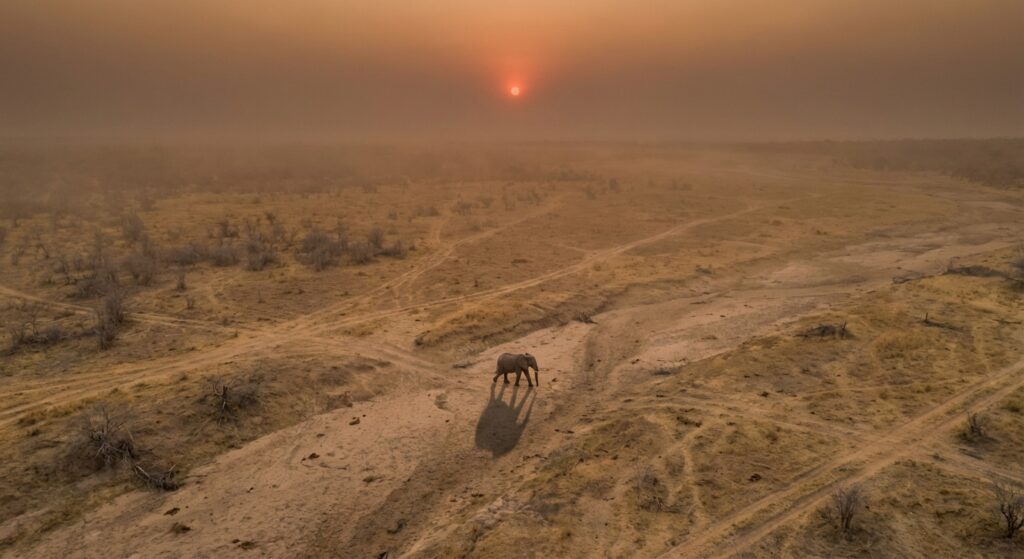
The numbers do not align with the goals. In the last six months, elephant poaching incidents across East and Southern Africa jumped by 23 percent. This figure comes directly from new data released by the African Wildlife Foundation. Conservation initiatives are active, yet the illegal killing of these animals is accelerating. The trend suggests a large disconnect between field operations and the shifting pressures of the global ivory trade.
A 23 percent increase reflects a sharp change in a brief window. It represents a massive shift in the safety of these populations.
Regional patterns show that the pressure is concentrated in East and Southern Africa. These areas contain some of the most famous protected zones on the continent. The African Wildlife Foundation links this surge to two specific factors. First, demand in illegal ivory markets is rising. Second, enforcement within several protected areas has weakened.
Empty ranger stations or unpatrolled boundary lines invite risk. Why this enforcement failed remains unclear. The report does not specify if the weakness stems from a lack of personnel, missing funds, or shifting political priorities. We only know that the gates are effectively more open than they were half a year ago.
Demand creates the path. The AWF identifies the illegal ivory market as a primary driver, yet the specific geography of that demand is not mapped out in this latest release. We do not know which cities or countries are buying the tusks. We do not know the exact routes the ivory takes once it leaves the savannah.
One might expect that established conservation efforts would act as a barrier against such spikes. They haven’t. The data found at https://www.conservationtoday.org/elephant-poaching-surge-2026 indicates that current strategies are being outpaced by the speed of the illegal market. The report leaves many questions unanswered. It does not name the specific protected areas where security has slipped. It offers no raw numbers on how many individual elephants have died, focusing instead on the frequency of poaching incidents.
The absence of data for Central or West Africa is a void in the current assessment. Without that information, it is difficult to determine if this 23 percent surge is a localized crisis or part of a continental shift. Are poachers moving away from Central Africa because populations there are already depleted? Is the enforcement in East and Southern Africa simply easier to bypass right now? The report provides the “what” but leaves the “how” and “why” of the enforcement collapse largely to speculation.
Six months is a blink in the lifespan of an elephant. Yet in that time, the risk to their survival has intensified. The AWF findings show that the mere existence of a protected area does not guarantee safety. When monitoring programs or ranger patrols lose their bite, the poaching syndicates react almost instantly. The 23 percent rise is not a slow drift. It is a rapid escalation.
The reality on the ground is changing faster than the policies meant to manage it. You can see the details of this shift at https://www.conservationtoday.org/elephant-poaching-surge-2026. The ivory trade is not a stagnant entity. It responds to gaps in security. It responds to market fluctuations. Right now, it is winning the race against the people trying to stop it.
There is an ambiguity in how we measure success in these regions. If an area is “protected” but experiences a surge in killing, the label itself becomes questionable. The African Wildlife Foundation points to weakened enforcement, but “weakened” is a broad term. It could mean anything from empty scout outposts to more technical issues within the ranks of those paid to protect the wildlife.
The data is cold. It is a 23 percent increase. It covers East and Southern Africa. It has happened since the start of the year. Beyond those facts, the details of the ivory’s destination and the specific failure points in the parks remain obscured. The current trajectory suggests that whatever the current conservation model is doing, it is not enough to counter the pull of the illegal market.
A single ivory tusk carries a high price in a hidden market. This market is greedy. It is efficient. It operates across borders while conservationists often struggle with limited jurisdiction and resources. The AWF report indicates that the current surge is not a random occurrence but a direct result of market forces finding a path of least resistance.
Weakened enforcement in one park can lead to a surge in a neighboring country as syndicates shift their operations. The report does not clarify if these groups are more armed than before or if they have simply become better at tracking the gaps in ranger movements. We are left looking at a percentage that represents a loss of life without a clear map of how to reverse the trend.
The weight of this data rests on the shoulders of field teams who are struggling to maintain the status quo. If the demand for ivory continues to grow, the pressure on East and Southern Africa will only intensify. The AWF has provided the evidence of the surge, but the solution to the weakened enforcement remains a mystery for now.
In some zones, the silence and the lack of patrols have invited disaster. The 23 percent rise is a signal. It tells us that the current system is leaking. It tells us that the ivory trade is adaptable. Without a change in how these protected areas are managed, the next six months may tell an even grimmer story.
The report at https://www.conservationtoday.org/elephant-poaching-surge-2026 provides the framework for understanding this crisis. It shows us that the threat has not gone away. This pressure has only changed its shape, finding the weak points in the defense of conservation. We see the numbers. We see the region. We are waiting for the rest of the story to unfold.
A sudden spike in incidents suggests a coordinated effort by those profiting from the trade. It is not just about a few individuals entering a park. This is a system of extraction that has found a way to bypass the barriers. The African Wildlife Foundation’s data is a snapshot of a moment where the balance has tipped in favor of the illicit market.
What happens to the remaining herds when the frequency of attacks increases so rapidly? The report does not discuss the social structure of the elephant groups or how these deaths impact the survival of the young. It sticks to the facts of the incidents. It measures the failure of the security.
Twenty-three percent is a heavy number. It is a number that demands more scrutiny of the global ivory trade’s mechanics. As long as the market remains active and the parks remain vulnerable, the trend is unlikely to flatten. The data is clear even if the path forward is not.
The African Wildlife Foundation has stated that the demand is rising. This demand fuels the poachers on the ground. It pays for their equipment and their time. It creates an incentive that is currently stronger than the risk of being caught in a weakened enforcement zone.
The study ends there. It provides the warning. It leaves the world to watch the next movement in this struggle. The elephants in East and Southern Africa are navigating an environment that has become much more dangerous in a very short amount of time.
The specifics of the weakened enforcement remain the biggest unknown. Was it a change in the law? Was it a lack of vehicles? Was it a change in the way rangers are trained or deployed? The AWF does not say. We only see the result. The result is a 23 percent increase in poaching incidents. It is an urgent situation. It is a reality that must be faced with the data provided.
The ivory trade is persistent. It is a shadow that follows the elephant herds through every scrubland and forest. Right now, that shadow is growing. The data from the AWF proves it. We are left looking at a 23 percent spike and wondering where the line will be drawn.
Information is the only tool we have to understand these shifts. The link at https://www.conservationtoday.org/elephant-poaching-surge-2026 hosts the evidence of this surge. It is a necessary read for anyone trying to track the movements of the ivory market in 2026. The situation is not static. It is a fast moving crisis in the heart of Africa’s wildlife regions.