
Birds Are Changing and Indigenous Memory Is the Longest Record We Have
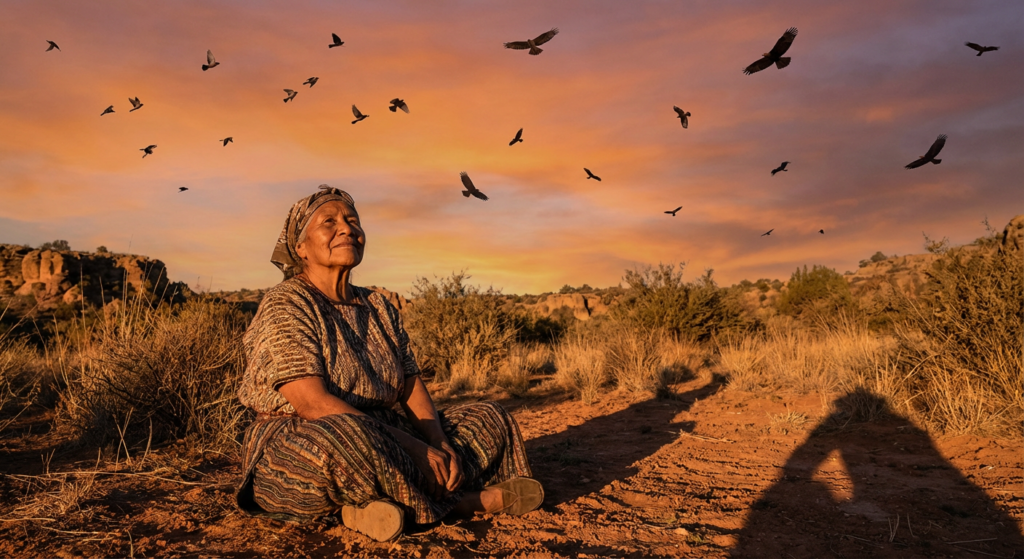
Three continents hold the quiet evidence of a shift in the sky. It is not just that the songs are different or the migrations have drifted. The physical nature of bird communities is transforming. A global study drawing on Indigenous and local knowledge reveals that bird populations are trending toward smaller species. This change is not a sudden flash but a documented progression held within the longest record available to us: human memory.
Traditional observation provides a depth of field that western scientific instruments often lack. Researchers found that by integrating this knowledge with conventional monitoring, they could improve detection rates of various species. It is a matter of scale. While a sensor or a seasonal bird count offers a snapshot, the collective memory of a community offers a lived history. The research confirms that these local observations provide valuable long-term data on wildlife population changes that might otherwise go unnoticed by short-term academic studies.
Smaller bodies now dominate the canopy. We do not yet know the specific mechanisms driving this shift toward smaller-bodied species across these diverse geographies. The source material remains silent on whether climate, habitat shifts, or evolutionary pressures act as the primary catalyst. This ambiguity creates a gap in our understanding of why the air feels different, even if we can now prove that it is.
Trust is a heavy currency in conservation. Collaborative monitoring efforts do more than just tally wings and tail feathers. They function as a bridge. By working directly with local communities, researchers build the necessary rapport to sustain long-term inquiry. This partnership transforms the act of data collection from an extraction into a shared pursuit of truth.
The data points to a consistent pattern across three different continents. Even without knowing the specific names of the landmasses involved, the scope of the study suggests a global phenomenon. Indigenous memory tracks these shifts with a precision that predates modern record-keeping. It is an extensive chronological archive.
Birds are changing. The records held by those who live closest to the land show that the composition of our ecosystems is losing its larger-bodied representatives. Scientific methods now confirm what local observers have likely sensed for generations.
Birds are changing — and Indigenous memory is the longest record we have